If you’re thinking about changing the way you eat, it can be really tempting to start by changing the way you shop. You decide you’re going to eat fewer carbs and suddenly your trolley is full of almond flour, expensive low-carb bread, sugar-free everything and products you’ve never bought before simply because they have ‘keto’ written on the packaging.
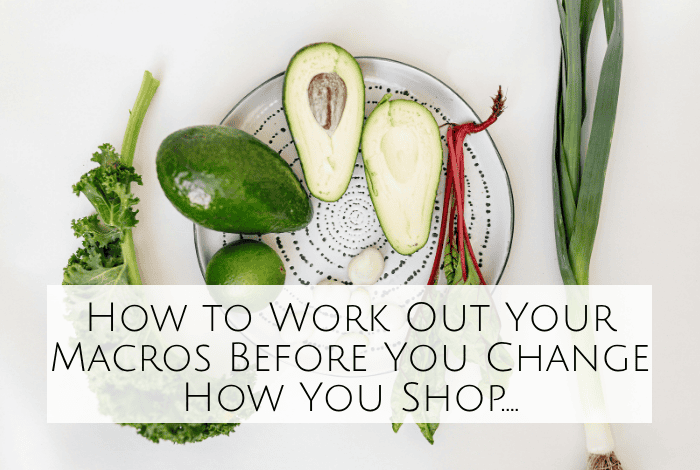
And that can get expensive very quickly.
This is something I’ve learned quite a lot about since being diagnosed with Type 2 diabetes. I’ve become much more aware of the amount of carbohydrate in what I eat and, particularly at the beginning, I definitely fell into the trap of thinking that eating fewer carbs meant I needed to go out and buy lots of different foods.
Hello, almond flour pancakes. 👋
I bought almond flour specifically to make them because they sounded like exactly the sort of clever lower-carb swap I should be making. They were not a success. At all. And I was left with an expensive bag of almond flour and absolutely no idea what I was going to do with it.
Over time, I’ve realised that it’s much easier for me to look at the food I already enjoy and work out what genuinely needs changing. Sometimes that’s a smaller portion, sometimes it’s a simple swap and sometimes the meal was absolutely fine in the first place.
That’s why I think it makes much more sense to spend a little bit of time working out what you’re actually aiming for before you start changing everything you buy.
Start by working out what you’re aiming for
Macros are simply the amounts of protein, fat and carbohydrates that make up what you eat, and there are plenty of online calculators that will give you a starting point based on things like your age, height, weight, activity levels and goals.
For example, you can calculate your keto macros with Bondi Meal Prep if keto is the approach you’re considering. The calculator gives you suggested daily amounts for fat, protein and net carbohydrates based on the information you enter.
That doesn’t mean you need to immediately change everything you eat to hit those numbers, and it certainly doesn’t mean that everyone needs to follow a keto diet. For me, the useful part of knowing the numbers is simply having something more specific to work with than ‘I need to eat fewer carbs’.
Once you have an idea of what you’re aiming for, you can look at what you’re already eating and see where you might actually want to make some changes.
Look at your normal food before buying anything new
This is the bit that can save you money.
Rather than going shopping for a whole new way of eating, start with the food you already buy. Things like eggs, chicken, mince, tinned fish, cheese and frozen vegetables aren’t specialist diet foods and they’re ingredients that many of us already have in the fridge, freezer or cupboards.
You might also discover that some of your usual meals aren’t actually that far away from what you’re aiming for. A small change to one part of a meal could be all that’s needed rather than replacing the whole thing.
That’s definitely been my experience. I’ve learned much more from looking at what I normally eat and making small changes than I ever did from buying foods specifically because they were marketed as lower carb.
And that’s definitely preferable to spending a small fortune on a cupboard full of specialist ingredients that you’ll use twice before forgetting they exist.
See also: almond flour. 🙈
Don’t assume ‘keto’ or ‘low carb’ means you need to buy it
There are so many products now that are specifically marketed as keto or low carb, and some of them can be really expensive. That doesn’t necessarily mean you need them.
If an ordinary food that you already like fits with what you’re trying to achieve, there’s no reason to replace it with a more expensive version just because the packaging is aimed at people following a particular diet.
The same applies to recipes. Before searching for a whole new collection of meals, have a look through your existing favourite recipes and see what already works. There’ll probably be some that need no changes at all and others where you could make a simple swap if you wanted to.
I’ve found that portion sizes can make a big difference too. Rather than deciding I can never eat something again because it’s higher in carbs, I’m much more likely to look at how much of it I’m having and what else is on the plate.
It feels much more sustainable to me than having a completely separate way of eating filled with specialist ingredients.
Use your meal plan to work out what actually needs changing
This is where meal planning comes in handy because you can look at a whole week rather than individual meals.
I’d start with a completely normal week’s meal plan and look at each meal against whatever targets you’ve decided to work towards. You don’t need to invent seven brand new dinners just because you’re changing the way you eat.
You might find that four or five meals are absolutely fine as they are and only a couple need adjusting. That’s much easier, and generally much cheaper, than deciding that everything you’ve been eating needs to go.
It’s also far more likely to be something you can stick with because you’re still eating food you know you enjoy. For me, that’s been one of the biggest lessons of changing how I eat since my diabetes diagnosis. I need whatever I do to fit around real life and normal family meals rather than feeling like I’m permanently ‘on a diet’.
It can be worth weighing things at first
Nobody particularly wants to weigh their food forever, but doing it for a short time can be really useful if you’re trying to understand portion sizes.
Things like rice, pasta, cereal and yoghurt can be surprisingly difficult to judge by eye, and what you think you’re eating isn’t always what you’re actually eating. I found weighing things particularly useful when I first started paying more attention to carbs because it gave me a much better idea of what a portion actually looked like.
You don’t necessarily need to do this long term. Even doing it for a week can give you a much better idea of your normal portions and how they fit with the numbers you’re working towards.
After a while you get much better at judging things without automatically reaching for the scales every time you make dinner.
One way of eating won’t suit everyone
I think this is really important, particularly because I’m talking about my own experience with Type 2 diabetes here.
Keto and very low-carb diets aren’t the only ways to eat healthily and they’re certainly not right for everyone. I personally pay attention to the amount of carbohydrate I eat because that’s something that works for me and my diabetes, but that doesn’t mean my way of eating is what someone else with diabetes should be doing.
If you have diabetes or another health condition, take medication, are pregnant or breastfeeding, or you’re considering making a significant change to the way you eat, speak to your healthcare team about what’s right for you. An online calculator can give you some useful numbers to think about, but it doesn’t know anything about your individual health or circumstances.
Make the numbers work with real life
The main thing I’ve learned is not to make changing how you eat more complicated or expensive than it needs to be.
Work out what you’re aiming for first and then look at the food and meals you already have. If something needs changing, change it. If it doesn’t, leave it alone.
I still eat plenty of the same meals I ate before I was diagnosed with diabetes. I just understand much more now about what’s in them, what portion works for me and where I can make a simple change if I need to.
You certainly don’t need to replace the entire contents of your kitchen with expensive specialist products overnight.
And if working out your numbers saves you from buying an expensive bag of almond flour in the belief that you’re about to discover the joy of almond flour pancakes, then you’re already doing better than I did. 😬
I’d love you to follow me on Twitter and it would be amazing to see you over on my Facebook page and on Instagram. If you’re interested, you can find out more about me here and while I’ve got your attention, if you’re wondering why some of my posts lately are a little bit less frugal then have a read of this post. 😉 This is a collaborative post.
Do your future self a favour – Pin this post for later.

Discover more from The Diary of a Frugal Family
Subscribe to get the latest posts sent to your email.






Talk to me...