When I was trying to lose weight before my operation earlier this year, I felt more motivated than I had in ages. I knew that every pound I lost could help make surgery safer and recovery easier, so I had a very clear goal in mind. Every healthy meal and every walk felt like it was taking me one step closer to something important.
The thing nobody really talks about is what happens afterwards.
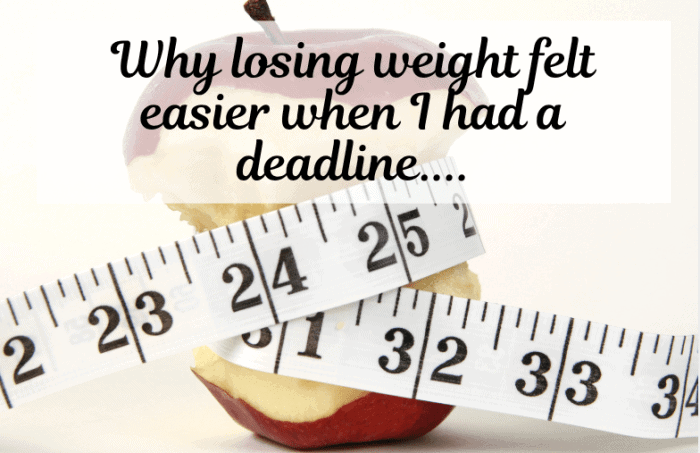
Once the operation was over and I was feeling better, I found myself struggling to maintain that same level of motivation. The urgency had gone. I wasn’t working towards a specific date on the calendar anymore, and suddenly all of those healthy habits felt a little harder to stick to.
If you’ve ever felt the same way after the first few weeks of a weight-loss journey, you’re definitely not alone.
Starting a weight-loss plan often feels manageable at first. The early weeks can bring visible changes, more energy and a stronger sense of control. As time passes, though, progress often slows and routines begin to feel harder to maintain. Motivation dips, daily habits feel repetitive and many people start questioning whether their efforts are still working.
This shift is a normal part of long-term change rather than a sign of failure. The body and mind both adapt over time, which can affect appetite, energy levels and consistency. Recognising why these changes happen helps people prepare for them and stay focused on realistic, sustainable progress.
The three-week motivation drop
Motivation often changes once the excitement of starting something new begins to wear off. The routines that initially felt energising can start to feel repetitive, especially when progress becomes less obvious day to day.
Why early progress feels more rewarding
Part of this is biological. The brain releases dopamine when something feels new and rewarding. Once a behaviour becomes routine, that response weakens. The habit no longer feels like a win, even when it is one.
Early results also play a role. In the first few weeks, the body often sheds water weight quickly. This creates a visible drop on the scales that feels motivating. When that slows, many people assume the plan has stopped working. In reality, the body is simply adjusting to a new normal.
Adjusting expectations after the first month
It is common for motivation to decrease after the initial excitement of starting a new health routine. As the novelty fades and progress becomes less visible, maintaining habits can require a different approach. Even when changes are not immediately obvious, positive developments may still be occurring in the background.
People considering prescription support often spend time comparing available options before deciding what may suit their goals and lifestyle. This Mounjaro vs Wegovy guide provides evidence-based information for those assessing how the two treatments differ and what users may expect over time.
When your body adapts to change
The body responds to long-term calorie reduction and increased activity in ways that are designed to protect energy reserves. These adjustments are normal, though they can make progress feel slower after the first month.
How hormones and metabolism shift
After a few weeks of reducing calories, the body may begin to adjust. It can lower its energy output to preserve resources. This process, sometimes called metabolic adaptation, is a normal response and not a sign of failure.
Hunger hormones also change during this period. Ghrelin, which signals hunger, typically rises whilst leptin, which signals fullness, tends to fall. This hormonal shift can make sticking with a reduced-calorie plan more challenging as time passes.
Why workouts and routines feel different
Exercise routines become less demanding as fitness improves. This means the same workout burns fewer calories over time. Adjusting intensity or trying new activities can help maintain progress. Sleep patterns and stress levels also affect hormone regulation during this phase.
Some individuals looking for medical support options like Mounjaro or Wegovy find that these therapies help manage appetite signals during periods of adjustment. These treatments work by regulating hunger and blood sugar levels. Yet lifestyle changes remain important for long-term outcomes, regardless of medication use.
Spotting plateaus and progress
Weight is only one measure of progress and relying on the scales alone can create unnecessary frustration during slower periods.
Looking beyond the numbers on the scales
A plateau on the scales does not mean momentum has stopped. Body composition can continue to shift even when weight stays the same. Muscle gain, fat loss and improved fitness all happen independently of what the scales show.
Tracking measurements, energy levels and how clothing fits gives a broader picture. These markers often show continued improvement during weeks when the scales stay flat. Focusing on these non-scale indicators can help maintain motivation through this phase.
The hidden cost of perfectionism
Pressure to follow a health plan perfectly can create more setbacks than flexibility ever does. Small mistakes often feel far bigger than they really are.
Why all-or-nothing thinking causes setbacks
All-or-nothing thinking is one of the most common reasons people abandon health goals. A single meal that falls outside the plan can feel like total failure. For many people, one off-plan meal can lead to discouragement and a sense of giving up entirely.
This response is driven by unrealistic standards. When the goal is perfection, any deviation feels catastrophic. High pressure from these expectations can lead the body to release more cortisol, the main stress hormone. Higher cortisol may affect weight management by increasing appetite and driving cravings for high-energy foods.
Creating a more flexible approach
Over time, perfectionism makes it harder to stick with healthy choices. It increases the risk of emotional eating, especially during stressful periods. Social situations can also become sources of anxiety rather than enjoyment.
A more flexible approach supports consistency and makes the process feel less overwhelming. The 80/20 principle encourages keeping around 80% of choices focused on the plan, with the other 20% allowing for flexibility. This method reduces pressure and allows for real-world challenges without leaving progress behind.
Building practical flexibility
Long-term progress depends on creating routines that can adapt to everyday life rather than collapse whenever plans change.
Preparing for challenging situations
Planning for occasional treats rather than labelling foods as forbidden can help remove the guilt cycle that slows progress. Focusing on weekly patterns rather than daily perfection leaves more room to recover from difficult days.
Preparing specific strategies for celebrations, holidays or work events can also help. Having a plan before these situations arise often makes it easier to stay on track.
Recovering from setbacks more easily
Getting back on track after setbacks matters far more than avoiding them completely. One difficult day rarely undoes weeks of consistency, although many people convince themselves otherwise.
Small adjustments made quickly often prevent setbacks from becoming long-term disruptions. Keeping routines realistic and adaptable helps maintain progress during busy or stressful periods.
Staying consistent when progress slows
Health goals become harder after the first few weeks because the process moves beyond excitement and into routine. Physical adaptation, slower visible results, stress and unrealistic expectations can all affect motivation over time. None of these changes means progress has stopped.
For me, the challenge now is finding a new reason to keep going. Before surgery, my motivation was clear. Now it’s about looking after my long-term health, having more energy and building habits that will hopefully last far beyond any single goal or deadline.
Prescription treatments may support appetite management for some people, though they work best alongside sustainable lifestyle habits. Staying patient during slower phases and focusing on overall wellbeing rather than daily fluctuations often leads to more lasting results.
I’d love you to follow me on Twitter and it would be amazing to see you over on my Facebook page and on Instagram. If you’re interested, you can find out more about me here and while I’ve got your attention, if you’re wondering why some of my posts lately are a little bit less frugal then have a read of this post. 😉 This is a collaborative post.
Do your future self a favour – Pin this post for later.

Discover more from The Diary of a Frugal Family
Subscribe to get the latest posts sent to your email.