It’s around this time of year when lots of us start thinking about our food budgets again.
I’d much rather review our food spending in February because just getting through to Payday in January is an achievement in itself for us with the combination of an early December pay and the inevitable overspend of Christmas.
So for me, February is that lovely reset month where everything settles back into a routine which makes it the perfect time to get a clear picture of what we’re actually spending on food because it’s so easy for the weekly shop to creep up without us even realising.
I wrote a post back in 2017 about this very same thing and asked lots of other bloggers what their average weekly spend was for their food shop and there was such a big variety of budgets shared and even more helpful, they all shared the reasons why the budgets were there for each family.
It’s still worth a read now even eight years later in my opinion but for today, I wanted to revisit the conversation as times have changed and prices have increased massively!
I’ve done a bit of research this week around the average spend of different family types with different habits so I thought it might help to share what the ‘average’ family spends but it’s really important to understand that a realistic food budget looks different for every family.
The factors that I took into account when I first wrote about how to set your own weekly budget are still very relevant today though…
(a) How much money you have available to spend after paying for everything else you need to pay for,
(b) How much time you have available to cook and shop for food, and
(c) How much money you actually want to spend.
Every family’s situation is different but having an idea of the averages really helps.
For a family of two adults and two children in the UK, most households fall somewhere between £400 and £700 a month once you factor in groceries, top-up shops and the odd meal out. It sounds like a big range, but it genuinely reflects how different our habits and lifestyles are.
To help put those numbers into context, here are some real-world examples that match what a lot of families are seeing right now. These aren’t extreme savers or families who have everything perfectly planned out every week. They’re just normal, everyday households.
A typical family with two school-age children spends around £95 to £115 a week on their supermarket shop, plus a small top-up shop for bread and milk. They’ll have a takeaway every couple of weeks and their monthly food spend usually sits around £480 to £520. This is really common for a family who cooks most meals at home, uses leftovers and tries to avoid too many convenience foods.
Another family, with older kids and busier evenings, might spend £120 to £140 a week on groceries, plus one or two takeaways or meals out. That pushes their monthly budget up to somewhere between £650 and £720, which is exactly where a lot of families find themselves once things like kids’ appetites, after-school clubs and convenience come into play.
On the lower end, some families manage £80 to £95 a week by batch cooking, planning their meals and keeping eating out to a minimum. Their total tends to land around £380 to £430 a month. That feels like the realistic “budget-conscious but still normal life” range.
And at the higher end, there are plenty of families who easily hit £680 to £780 a month simply because prices have risen and habits haven’t changed much. They aren’t doing anything unusual; it just adds up faster these days.
I’d say we’re very middle of the road with our own food budget. I do a lot of batch cooking and most of our meals are cooked from scratch, which definitely helps keep costs under control. But I’m not someone who sticks rigidly to a set weekly number either. If I see a bargain that I know I can batch cook with, I’m absolutely going to buy it.

I’ll also sometimes spend a bit more when I want to try a new recipe because food is one of those areas where I like a little flexibility. And yes, we’ll eat out from time to time too, usually when life gets busy or we fancy a treat, so our monthly spend naturally fluctuates.
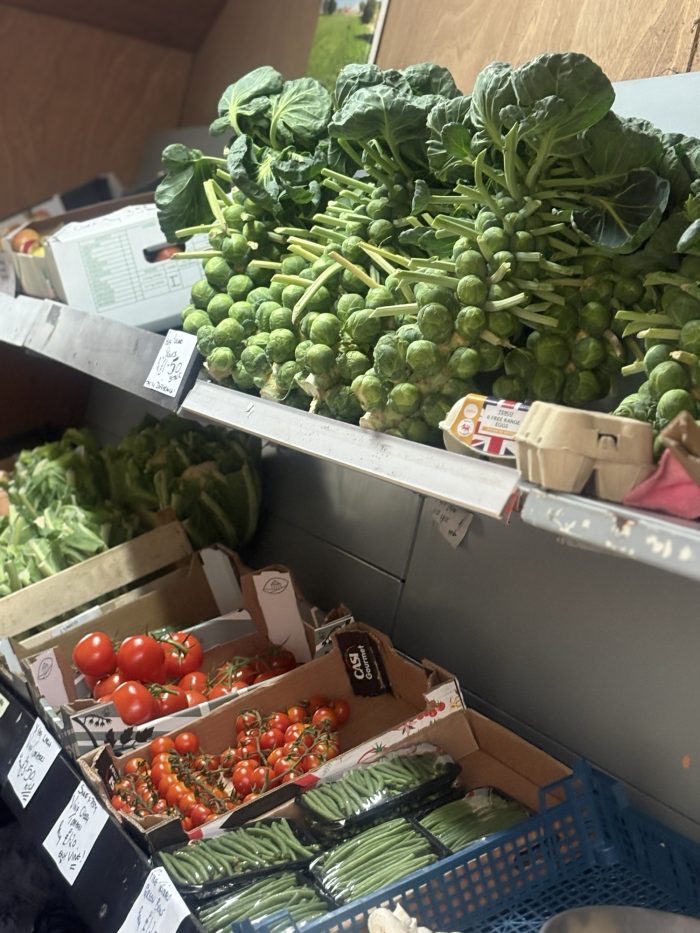
I’m OK with our spend and I know that I keep it down with meal planning, batch cooking and cooking from scratch most of the time. We use leftovers well and I am pretty good at sticking to a list when I go shopping for the most part. There’s lots of ways that I could probably reduce our spend more – for example, I shop at local farm shops where I can and love the fresh produce and the fact I’m supporting a local business but I’m OK with the amount we spend so that’s something I’m happy with the higher spend.
The easiest way to work out your own realistic family food shop budget is to track what you’re actually spending for a month. February is perfect for this because it’s calm, predictable and budget-friendly by nature. Once you know your real number and you’ve figured out what kind of food shopper you actually are, everything becomes much clearer.
You can see where your money is going, identify the habits that genuinely matter and make changes that suit your lifestyle instead of trying to bend to what works for another family.
Some people overspend because they shop too often, some because they rely on convenience, some because their kids eat like adults, and some because bargains are too tempting to leave behind. Once you recognise your own patterns, you can then look realistically at ways to bring your food budget down without feeling deprived or overwhelmed. I’m going to share a full post on that next week because the changes don’t need to be drastic to make a big difference.
In the end, a realistic food budget is simply the amount you can stick to long term without feeling stressed or restricted.
Once you’ve got your number, everything else — meal planning, reducing waste, batch cooking and spending less overall — becomes so much easier.
The figures in this post are based on a combination of UK household spending data from the ONS, recent cost-of-living guides, supermarket price trends and real family budgets shared across UK forums and surveys. Every family is different, so these numbers are intended as helpful starting points rather than strict rules.
I’d love you follow me on Twitter and it would be amazing to see you over on my Facebook page and on Instagram. If you’re interested, you can find out more about me here and while I’ve got your attention, if you’re wondering why some of my posts lately are a little bit less frugal then have a read of this post. 😉
Do your future self a favour – Pin this post for later.