One of the easiest ways to help children learn about different countries and cultures is through food. Kids naturally connect memories to smells, flavours, routines and shared family moments, which makes cooking together such a lovely way to introduce the world from your own kitchen table.
We used to do this when my two were little and it was honestly such a lovely way to make an ordinary tea feel a bit more exciting. We’d pick a country, make something inspired by it and talk a little bit about where the food came from. Nothing fancy or Pinterest-perfect, just a simple way to “travel” somewhere new without leaving the house.
Their favourite was always USA-themed night though, because that basically meant burgers, hot dogs and fries. 😂 I’m not sure it was the most educational of all our country nights, but it was definitely the one they requested the most.
Trying national dishes from around the world can turn an ordinary family meal into something much more meaningful. One week you might be making homemade pizza while talking about Italy and the next you could be rolling sushi and learning where Japan is on the map. It doesn’t have to feel like a formal lesson either because children often absorb far more when they’re relaxed and enjoying themselves.
We still do a little bit of this now too, especially with homemade sushi. We’ve been making our own at home lately and there’s something really satisfying about laying everything out, rolling it all up and pretending the slightly wonky ones are completely intentional.
We looked through educational resources, food culture articles and BBC Good Food recipes to find meals that are realistic for busy families to make at home. Short-form learning apps like Nibble can also work really well alongside this kind of hands-on learning because children can move from a quick lesson about a country straight into helping to cook a traditional dish from there. Even small conversations about landmarks, traditions or local customs can spark curiosity that lasts far beyond dinner time.
1. Pizza from Italy: creating simple family traditions
Pizza is probably one of the most recognised foods in the world, which makes it a brilliant place to start. In fact, the art of the Neapolitan pizza maker is officially recognised by UNESCO as Intangible Cultural Heritage because of the traditions and skills passed down through generations.
Most children can recognise pizza long before they could point to Italy on a map, so it creates a really natural opportunity for conversation. Homemade pizza nights are also ideal for weekends because everyone can get involved without it feeling stressful.
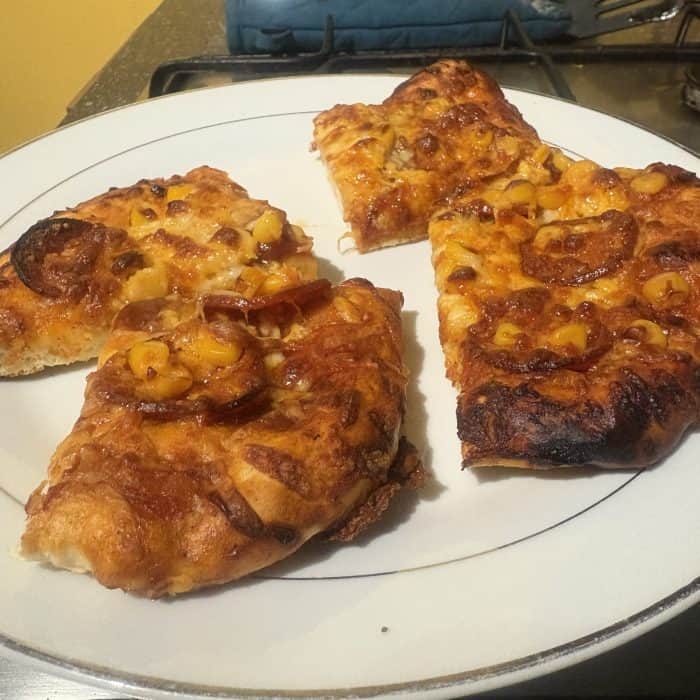
Children love choosing and adding their own toppings, and that little bit of ownership often makes them much more interested in both the meal and the country it comes from. It also shows them how a few simple ingredients like flour, tomatoes, yeast and cheese can become something people enjoy all over the world.
These little routines can become surprisingly memorable family traditions over time. In the book Tiny Habits, BJ Fogg talks about how small repeated activities help habits stick more naturally. Even something as simple as reading a few facts about Italy while the dough rises can help children connect food with learning in a relaxed way. You can find more while reading the core insights from the summary.
2. Sushi from Japan: learning patience and precision
Sushi is one of those foods that instantly grabs children’s attention because it looks so different from everyday meals. The rolling, arranging and careful preparation almost feels like a craft activity as much as cooking.
This is one we actually make at home now and I love how much of an activity it becomes. It’s not just dinner, it’s chopping, arranging, rolling and laughing at the ones that fall apart the second you pick them up.
Rainy weekends are perfect for trying simple homemade sushi because the process itself keeps children busy for quite a while. While preparing the rice, you can chat about Japan being made up of islands or look at where Tokyo is on a map.
Younger children don’t need to start with raw fish either. Simple cucumber, avocado or cooked chicken rolls work perfectly well and still introduce the idea of Japanese food traditions. Even now when Miss Frugal comes around and wants tea cooking, she’ll go with tuna mayo in her sushi with a little bit of sweetcorn if she’s feeling wild. 😁
There are lots of little learning opportunities built into sushi-making too:
- Measuring rice helps with simple maths skills
- Using chopsticks supports coordination and fine motor skills
- Arranging colourful ingredients keeps children engaged and interested
Because sushi takes time and concentration, it can also encourage children to slow down a little and really focus on what they’re doing.
3. Tacos from Mexico: making geography feel fun
Tacos are brilliant for family meals because everyone can build their own exactly how they like them. That alone tends to make children much more enthusiastic about trying new ingredients.
They’re also a great way to introduce Mexico and even a little bit of Spanish vocabulary at the dinner table. Naming ingredients in Spanish or talking about where foods like avocados, tomatoes and peppers grow can make the whole meal feel much more interactive.
Taco nights are practical for busy evenings too because everything can be prepared separately and laid out for people to help themselves. It keeps cooking manageable while still creating a shared experience.
James Clear talks about habit stacking in Atomic Habits, where you attach a new habit to something you already do regularly. A weekly country-themed dinner works perfectly for this because it naturally becomes a cue for a quick geography chat, a map activity or even a mini quiz while everyone eats. Read more in the Atomic Habits summary.
4. Butter chicken from India: exploring new flavours gently
Indian food can sometimes feel intimidating to parents who worry their children won’t enjoy strong spices, but a mild butter chicken is actually a really gentle introduction to Indian cooking.
The creamy sauce is familiar enough for most children to enjoy while still introducing different spices and flavours gradually. Even small things like smelling the spices or watching the colour of the sauce change can help children notice how cooking varies across the world.
While making the meal, you can talk about India’s geography too, from the Himalayan mountains in the north to the beaches and coastlines further south. Simple conversations like that often stick far more than formal learning ever does.
Children can easily help with parts of the preparation as well, whether that’s washing rice, stirring ingredients or measuring spices into the pan.
5. Croissants from France: bringing history into breakfast
Breakfast foods are often some of the easiest cultural foods for children to remember, and croissants are a lovely way to introduce a little bit of French food culture at home.
Making croissants from scratch definitely requires patience, but that’s part of the fun. The process helps children understand that baking sometimes takes time and careful preparation rather than instant results.
There are plenty of little learning moments involved too:
- Watching dough rise helps children understand how baking works
- Measuring ingredients supports basic maths skills
- The distinctive shape makes it easy to remember where croissants come from
A slow weekend baking session also creates space for conversations that don’t usually happen during busy weekdays. While the croissants bake, you might chat about Paris, French cafés or famous landmarks like the Eiffel Tower.
6. Paella from Spain: cooking together as a family
Paella is perfect for larger family cooking sessions because everyone can help with different parts of the meal. Traditionally from the Valencia region of Spain, paella is cooked in one large pan and shared around the table, which naturally creates a more social atmosphere.
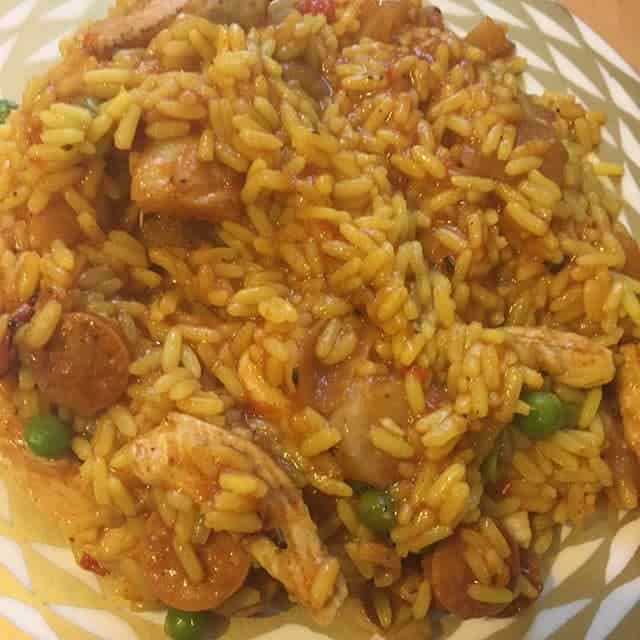
Children can take on simple jobs like counting prawns, sorting peas or helping arrange ingredients in the pan. Because everything cooks together, it’s also fairly low-stress when it comes to washing up afterwards.
Meals like this encourage families to spend proper time together without phones or distractions, which is something many of us are trying to do more of now.
Start exploring the world through food
Cooking national dishes from around the world is such a simple way to bring geography and culture into everyday family life. It gives children a hands-on experience that feels fun rather than educational, even though they’re learning constantly along the way.
The best part is that it doesn’t need to be complicated. One themed meal every now and again is enough to spark conversations, create memories and help children connect countries with real experiences.
And honestly, even if the country your kids remember most fondly is America because you let them have burgers, hot dogs and fries for tea, that still counts. Those small shared moments around the dinner table are often the things children remember for years afterwards.
I’d love it if you came and said hello over on Twitter, Facebook or Instagram. You can also find out a little bit more about me here and, while I’ve got you, if you’ve noticed that some of my posts lately are a little less frugal than usual, this post explains why. 😉 This is a collaborative post.
Do your future self a favour – Pin this post for later.

Discover more from The Diary of a Frugal Family
Subscribe to get the latest posts sent to your email.