Did you catch last week’s post about what a realistic food budget looks like in 2026?
If not, I recommend going and having a quick look before reading this one? I shared some information about what ‘average’ families spend in the UK in 2026 and it might really help you to understand where your own food shopping budget fits with that.
What I wanted to talk about today is how you can reduce your spend, or at least share what’s worked for me.
After figuring out our own realistic food budget, the biggest thing that helped me to then bring it down to a level that feels manageable has been looking honestly at the way we shop and eat as a family. I’ve tried so many different things over the years, but the changes that have stuck — the ones that actually make a difference without making life harder — are so much simpler than you’d expect.
The first and most important thing for being able to reduce our food budget has been meal planning.
It sounds so basic, but it’s genuinely the thing that’s saved us the most money consistently. When I have a plan for the week, everything else runs more smoothly. I shop less often, I buy only what we actually need and we waste so much less food.
Even planning just four or five meals around what’s already in the fridge or freezer can make such a difference. You can see from my meal plan below that I can be quite vague when I plan sometimes – things like ‘chicken surprise’ is where I will have some chicken but not know what exactly I’m doing with it until on the day (it could end up as anything from curry to cajun) and sometimes I’ll add in a freezer tea where we’ll use up random bits from the freezer.

The second thing that’s helped us massively is batch cooking.
I’m not one of those people who spends all weekend cooking, but doubling up a on cooking a few meals of our meals through the week has saved us a fortune – it might be cooking an extra portion of bolognese, making a bigger pan of curry or even just cooking extra chicken for lunches. It takes almost no extra effort at the time but saves money later on when I can include it in meal plans as you can see in the plan above and being this organised stops us reaching for a takeaway when we’re tired or short on time. My future self is always grateful. 😂
There are a few other little habits we’ve started doing that have made a big difference too.
I’ve started making bread at home, and it’s honestly one of those small changes that feels both satisfying and budget-friendly. I also make sure I buy enough milk to last the full week so I’m not constantly nipping back to the shop, because those little trips can be deadly for the budget. I also make flatbreads and pizza bases too which again saves us money.

I do still pop into the farm shop once a week for extra fruit because the kids get through so much of it, but going there actually works in my favour. They don’t have the same endless aisles of temptation you get in the supermarket, so even if I wanted to, there’s only so much I can buy. I walk out with what I went in for!
Once we had meal planning, batch cooking and our extra little habits working for us, everything else naturally fell into place. Cutting down on top-up shops has been huge. I used to pop in “just for milk” and come out £20 poorer. Sticking to one main weekly shop, planning our meals and actually checking what we already have before heading out has made such a difference to our spending.
We’ve also started including a couple of cheaper meals each week without feeling like we’re not eating as well. Simple things like soups, jacket potatoes, wraps or easy tray bakes help us to balance out the more expensive meals and keep our weekly spend down.
I’ve had to be a bit more sensible with yellow sticker bargains too. I love a bargain, but I’ve realised it’s only a bargain if I actually use it. These days if I can batch cook with it or fit it into this week’s meal plan, it’s worth grabbing. If not, it usually ends up shoved in the freezer and forgotten about, so it doesn’t really save anything at all.
Reducing waste has helped us hugely. I never thought we wasted that much, but once I paid attention, I realised how quickly it adds up. A weekly “use it up” meal, plus a quick fridge and cupboard check before writing the shopping list, has stopped so much unnecessary spending.
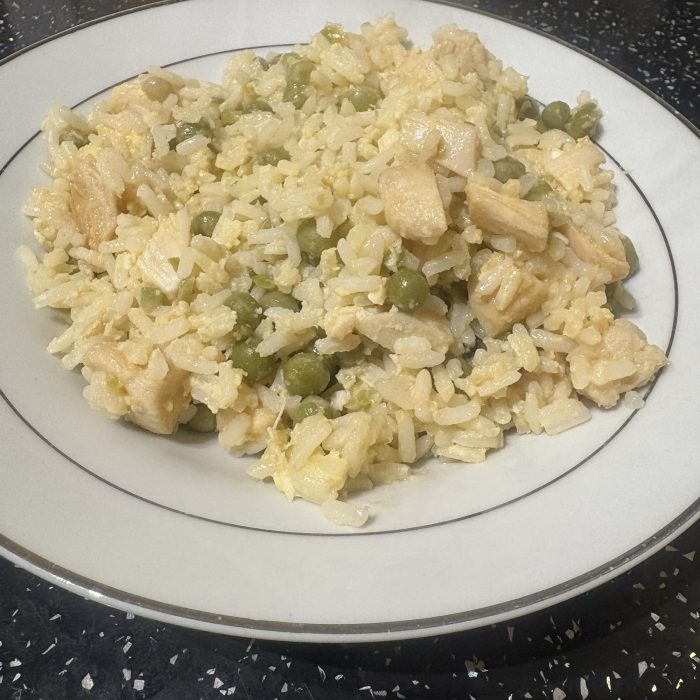
And finally, having a few easy, reliable meals that we can fall back on has saved us time, money and so many takeaway temptations. When life gets busy, knowing we’ve got simple options we can pull together without thinking makes a big difference and we always keep the ingredients into make these simple meals. CHicken fried rice for example – I always have everything in to make that and I can make it in no time at all.
None of these things are big dramatic changes. They’re just small habits that fit into our real life, and that’s why they’ve stuck. Back to basics isn’t about being perfect or cutting your budget to the bone — it’s about finding simple ways to make your food spend feel more manageable, one step at a time.
I’d love you follow me on Twitter and it would be amazing to see you over on my Facebook page and on Instagram. If you’re interested, you can find out more about me here and while I’ve got your attention, if you’re wondering why some of my posts lately are a little bit less frugal then have a read of this post. 😉
Do your future self a favour – Pin this post for later.









Talk to me...