Transforming your living space doesn’t have to break the bank. With a bit of creativity and some clever DIY techniques, you can personalise your furniture to reflect your unique style whilst staying within budget. Whether you’re working with existing pieces or breathing new life into charity shop finds, these budget-friendly hacks will help you create a home that truly feels like yours.
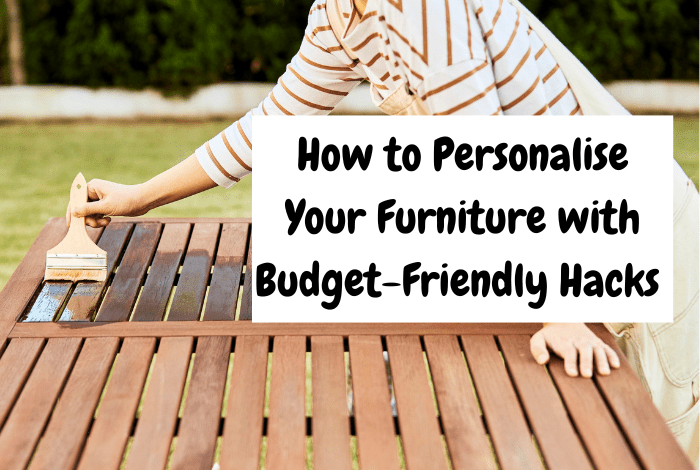
Why Personalising Furniture Makes Sense
Personalising your furniture offers numerous benefits beyond just saving money. It allows you to create one-of-a-kind pieces that perfectly suit your space, style, and functional needs. Rather than settling for mass-produced items that everyone else has, you can develop a signature look that reflects your personality whilst being environmentally conscious by upcycling existing pieces.
Essential Tools and Materials for Furniture Personalisation
Before diving into your furniture transformation projects, gather some basic supplies. You’ll need sandpaper in various grits, quality brushes and rollers, primer and paint suitable for furniture, screwdrivers, and measuring tools. For more advanced projects, consider investing in a drill, jigsaw, or even exploring services that offer CNC cutting machine capabilities for precise custom elements like decorative panels or hardware.
Don’t forget protective gear including gloves, masks, and eye protection. Having a well-ventilated workspace is crucial for any painting or staining projects.
Paint Techniques That Transform Any Piece
Paint remains one of the most cost-effective ways to dramatically change furniture. Chalk paint has become incredibly popular for achieving that coveted vintage, matte finish without extensive preparation. Simply clean your piece thoroughly, apply the paint in thin coats, and finish with wax for protection.
For a more contemporary look, try colour blocking by painting different sections in complementary colours. Geometric patterns created with painter’s tape can add modern flair to plain surfaces. Ombre effects, achieved by gradually blending colours from light to dark, work particularly well on drawer fronts or cabinet doors.
Consider using spray paint for smooth, professional-looking finishes on smaller items like lamp bases or picture frames. Metallic spray paints can instantly elevate basic pieces, giving them an expensive, designer appearance.
Creative Hardware Upgrades
Swapping out hardware is perhaps the quickest way to refresh furniture. Replace basic knobs and pulls with vintage brass, sleek black metal, or even handmade ceramic options. Leather pulls offer a contemporary Scandinavian aesthetic, whilst rope handles bring coastal charm.
For those with access to advanced tools, a CNC cutting machine can create completely custom hardware designs in wood or acrylic. This allows for perfectly matched decorative elements that complement your existing décor whilst maintaining a cohesive design throughout your space.
Fabric and Upholstery Makeovers
Reupholstering doesn’t require professional skills for simple projects. Dining chair seats can be easily recovered with new fabric and a staple gun. Choose durable fabrics like canvas or heavy cotton for high-use pieces.
For sofas and armchairs, consider loose covers rather than full reupholstery. These can be washed and changed seasonally, allowing you to refresh your look without permanent commitment. Adding decorative trim or contrasting piping can create a custom, tailored appearance.
Don’t overlook the impact of new cushions and throws. These soft furnishings can completely change the mood of a piece whilst adding comfort and texture.
Adding Decorative Elements
Stencilling offers endless possibilities for adding patterns and motifs to furniture. Create your own stencils from cardboard or purchase professional ones for intricate designs. Moroccan-inspired patterns work beautifully on wardrobes, whilst delicate florals suit bedside tables.
Decoupage remains a favourite technique for good reason. Use decorative papers, fabric scraps, or even maps to cover surfaces completely or create accent areas. Properly sealed decoupage work is surprisingly durable and adds genuine personality to any piece.
For three-dimensional interest, consider adding moulding strips or decorative appliqués. These can transform plain cabinet doors into statement pieces that look far more expensive than their humble origins.
Storage Solutions That Look Stylish
Maximise both function and style by adding built-in storage elements. Install hooks inside wardrobe doors, add drawer dividers made from cardboard and fabric, or create custom shelving using brackets and reclaimed wood.
Wicker baskets fitted into cube storage units provide attractive organisation whilst maintaining easy access. Label everything stylishly using chalkboard labels or printed tags for a cohesive, organised appearance.
Maintaining Your Personalised Pieces
Proper care ensures your hard work lasts. Dust regularly with microfibre cloths, avoid harsh chemicals that might damage painted finishes, and touch up any chips or scratches promptly. Keep leftover paint for future repairs, and consider applying fresh protective coats annually on heavily used pieces.
With these budget-friendly techniques, you can create a home filled with personalised furniture that reflects your style without the designer price tag. Remember, the best transformations often come from thinking creatively about what you already own.
Don’t miss out on future posts like this – receive updates directly to your inbox by email by adding your email address here and hitting subscribe. You can also follow me on Twitter or BlogLovin and I’d love to see you over on my Facebook page and on Instagram. If you’re interested, you can find out more about me here and while I’ve got your attention, if you’re wondering why some of my posts lately are a little bit less frugal then have a read of this post. 😉 This is a collaborative post.
Do your future self a favour – Pin this post for later.