With food prices still creeping up, lots of families are trying to stretch the weekly shop without cutting corners on healthy meals. That can feel tricky when staples like fresh vegetables are already seen as essentials, yet they often take up a surprisingly big chunk of the food budget.
One option that’s easy to overlook is growing some of your own vegetables at home. It’s often dismissed as expensive, time-consuming or only worthwhile if you go all-in and grow everything yourself. In reality, even a small amount of home-grown produce can make a noticeable difference over time — without turning your life upside down.
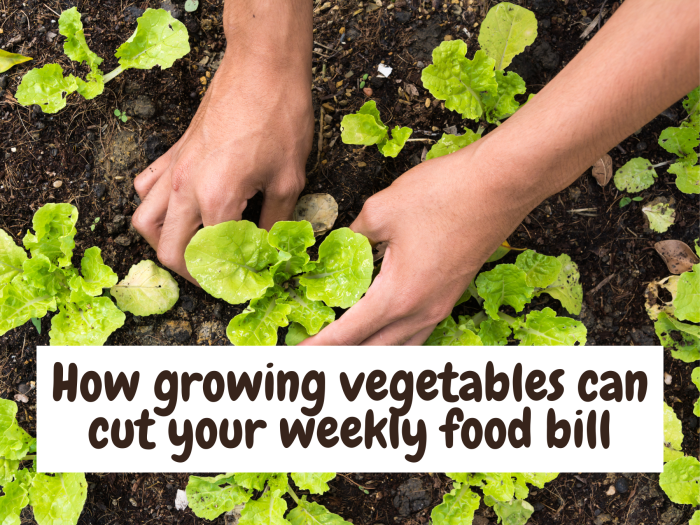
One solution that is often overlooked is growing vegetables at home. It is easy to assume that gardening is expensive, time-consuming, or only worthwhile if you grow everything yourself. In reality, even a small amount of home-grown produce can make a noticeable difference to your food bill over time.
Why vegetables are a good place to start
Vegetables are one of the most frequently bought items in a typical food shop. Salad leaves, tomatoes, courgettes, peppers and carrots are often picked up weekly, sometimes more than once if they don’t last.
They also happen to be some of the easiest things to grow. Many vegetables are generous growers, meaning one plant can provide food for several meals, often over weeks rather than all at once.
The aim isn’t to replace the supermarket completely. It’s simply to reduce how much you need to buy. That small reduction, repeated week after week, is where the savings quietly start to build.
The cost comparison most people miss
Buying seeds can feel less satisfying than buying food you can eat straight away. But when you look at the bigger picture, the difference becomes clear.
A single packet of vegetable seeds can produce multiple plants, each producing food for weeks or even months. Compare that to buying the same vegetables every week, and the initial cost quickly pays for itself.
Think of things like salad leaves you can pick fresh instead of buying bags that wilt in the fridge, courgettes that keep producing throughout the summer, or tomatoes you can grab as you need them rather than buying punnets every few days.
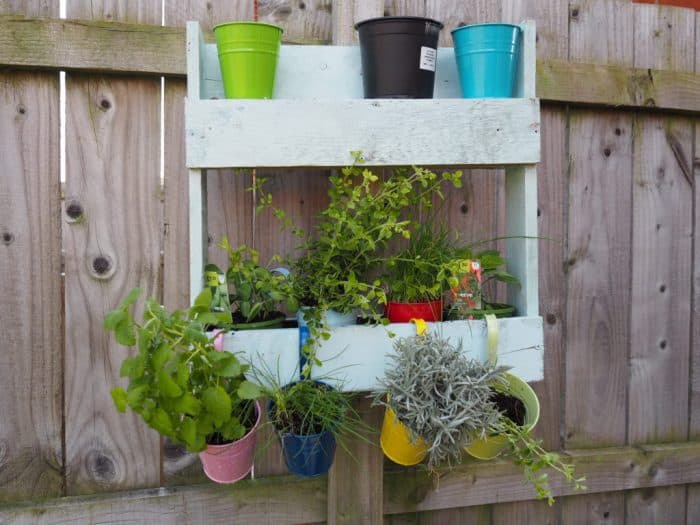
My DIY herb garden saves me a fortune on mint over the course of the Summer!
Cutting food waste without trying
One of the biggest hidden costs in many households is food waste. Fresh vegetables often end up in the bin because plans change or they spoil before being used.
Growing vegetables at home naturally reduces this. Instead of sitting in the fridge, they stay in the garden until you need them. You pick what you want, when you want it, which makes meal planning far more flexible.
Less waste means fewer quiet losses adding up in the background of the weekly shop.
You don’t need a big garden or big spending
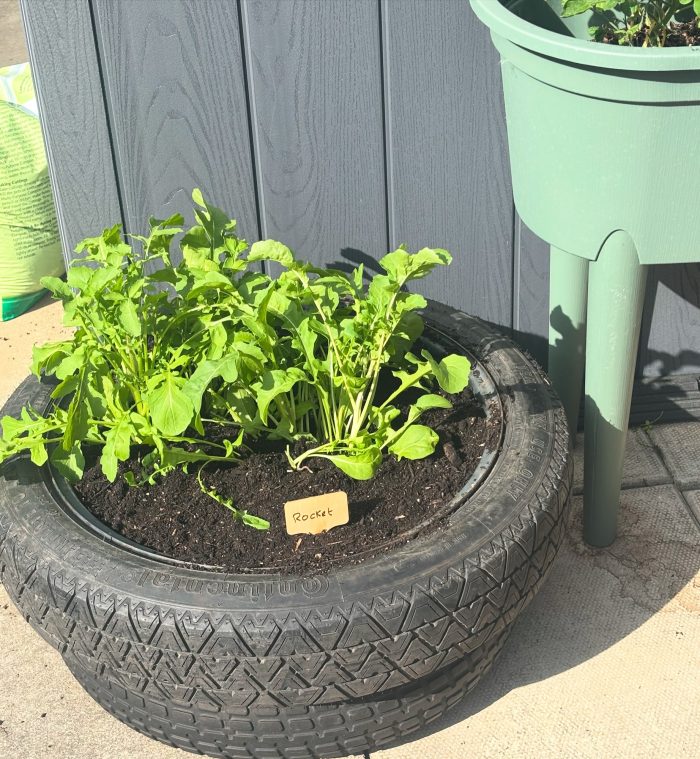
A common assumption is that growing vegetables requires lots of space and expensive equipment. In reality, many crops grow perfectly well in pots, containers or small raised beds.
Starting small keeps costs low. Reusing containers, choosing a handful of reliable crops and building up slowly makes it manageable and affordable.
You don’t need to grow everything. Even one or two vegetables you use regularly can reduce how much you buy each week.
How growing food changes shopping habits
One of the unexpected benefits of growing vegetables is how it affects the way you shop.
When you have food growing at home, you naturally plan meals around what’s available. Shopping becomes more intentional, and impulse purchases tend to drop away.
Many families notice they:
- Buy fewer last-minute extras
- Stick more closely to meal plans
- Make better use of what’s already in the fridge
Those small changes can save just as much money as the vegetables themselves.
Getting the whole family involved
When children help grow vegetables, they’re often far more willing to eat them. That alone reduces wasted meals and rejected food, which has a knock-on effect on the food budget.
It also helps children understand where food comes from and why it matters, encouraging more mindful habits around waste. Over time, that can lead to healthier, more cost-effective eating without constant battles at the table.
Choosing vegetables that give the best return
If saving money is the main goal, some vegetables are simply better value than others.
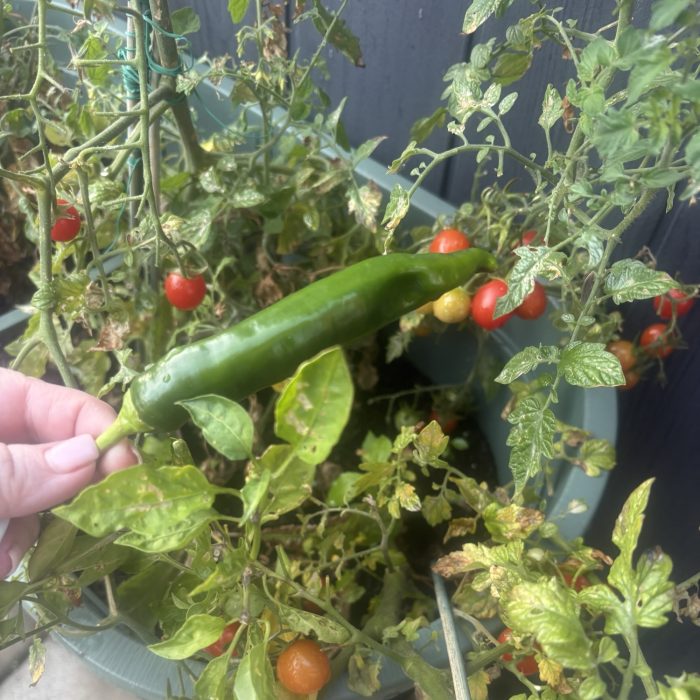
Good options include salad leaves that can be picked again and again, courgettes that grow abundantly, beans and peas that crop over time, and tomatoes that replace frequent supermarket purchases.
Focusing on high-yield crops makes sure your effort turns into real savings rather than novelty harvests.
The savings add up quietly
Growing vegetables rarely leads to dramatic overnight results. Instead, the benefits build gradually.
You may start to notice fewer top-up shops, slightly smaller weekly spends, less food being thrown away and more flexibility around meals.
Over a growing season, those small shifts can add up to meaningful savings, especially for families trying to manage rising costs without compromising on nutrition.
A realistic way to save money
It’s important to be honest. Gardening won’t wipe out your food bill, and it does take a bit of time and attention. But when approached sensibly, it’s one of the few things that saves money while offering extra benefits too.
Fresh food, time outdoors, shared family activity and practical skills all come alongside the financial advantages.
For families looking to cut costs without cutting quality, growing vegetables is a flexible, realistic option that fits around everyday life.
Small steps, steady savings
You don’t need to transform your garden or aim for self-sufficiency. Start small, grow what you already eat and let the savings build naturally.
At a time when every pound counts, even growing a little of your own food can help ease the pressure on the weekly shop — one harvest at a time.
I’d love you follow me on Twitter and it would be amazing to see you over on my Facebook page and on Instagram. If you’re interested, you can find out more about me here and while I’ve got your attention, if you’re wondering why some of my posts lately are a little bit less frugal then have a read of this post. 😉
Do your future self a favour – Pin this post for later.