If there’s ever a time of year to start meal planning, it’s January.
December is always a mad month and I feel like my usual meal planning goes out of the window so by the time January rolls around, I find myself craving a bit of routine again and getting back into meal planning is one of the simplest ways to feel more organised, save money, and cut down on waste — and once you get into the habit, it honestly becomes second nature.
This post is part of my Back to Basics series this week, where I’m sharing small changes that make a big difference when it comes to saving money and simplifying everyday life.
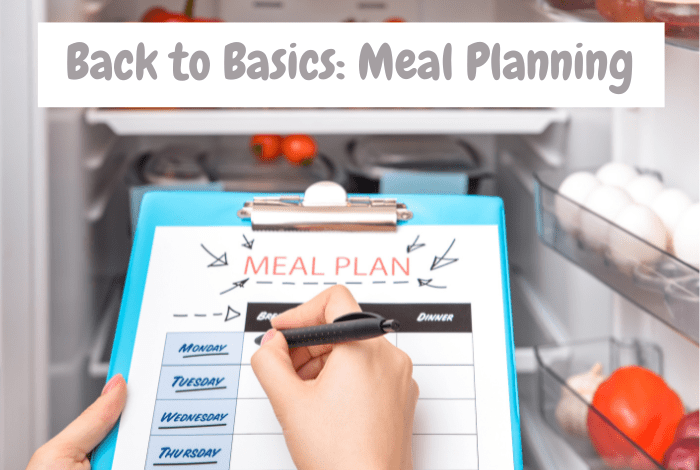
Yesterday we talked about batch cooking, and today it’s all about meal planning and how to make it work for you and your family, even when life’s busy and your week isn’t going to plan.
Meal planning is always my number one piece of advice whenever anyone asks me for the one thing they should start with when it comes to money saving in the home and I don’t think a week goes by when I don’t mention meal planning in one way or another in one of my posts.
There’s a reason for that – it’s because in my opinion, meal planning can have a pretty much immediate impact on your budget and is entirely in your control. You can start saving money more or less immediately.
If you don’t already plan your family’s meals then I can’t tell you how much I recommend that you give it a go!
What meal planning actually is
Meal planning isn’t about following a rigid schedule or knowing exactly what you’ll eat for every meal weeks in advance and it doesn’t take long at all. It’s simply about taking a few minutes to think ahead, so you can make the most of what you already have in and avoid those last-minute dashes to the shop (or the takeaway) through the week.
For me, it’s sitting down once a week — usually on a Sunday — with a quick look through the freezer, fridge and cupboards. I write down what meals we can make from what we already have, then fill in any gaps with a few simple recipes for the week ahead. It takes 10–15 minutes at most, but it saves me so much time, money and stress later in the week.
Why meal planning saves money
When you plan your meals in advance, you shop smarter. You’re only buying what you actually need, and that means less food waste and fewer impulse buys. It also helps to plan around what’s already in, so you’re using up what you have before it goes out of date.
Meal planning also makes batch cooking (which I talked about in yesterday’s post) work even harder for you. If you’ve got a freezer full of meals, you can slot them straight into your plan for easy, low-cost dinners.

How to get started with meal planning
The key is to keep it simple.
You don’t need fancy charts or colour coding (unless you enjoy that sort of thing!). Just a notebook, a whiteboard, or one of the meal planning printables I’ve already shared on the blog will do the job perfectly.
Here’s how I plan our meals each week:
Check the freezer, fridge and cupboards. I always start by listing what we already have that could make up a meal or form the base of one. My free printable inventory helps me with this!
Pick your meals for the week. Once I know what we have in already, I usually plan five main meals, leaving a couple of flexible nights for leftovers or something easy. I try to mix what we already have in with a few new recipes although the closer to payday we get, the more likely I am to shop from my freezer to save more money.
Write your shopping list. Once you know what you’re cooking, add only the ingredients you’re missing.
Be realistic. Don’t plan complicated recipes for your busiest nights — stick to quick or batch-cooked meals then.
Stay flexible. Life happens! Swap meals around if you need to, but still try to use what you’ve already bought.
It might take a couple of weeks to find a rhythm that works for your family, but once you do, it’ll feel like second nature.
If you fancy a more laid back approach to meal planning then you might find this post helpful – Vague Meal Planning!
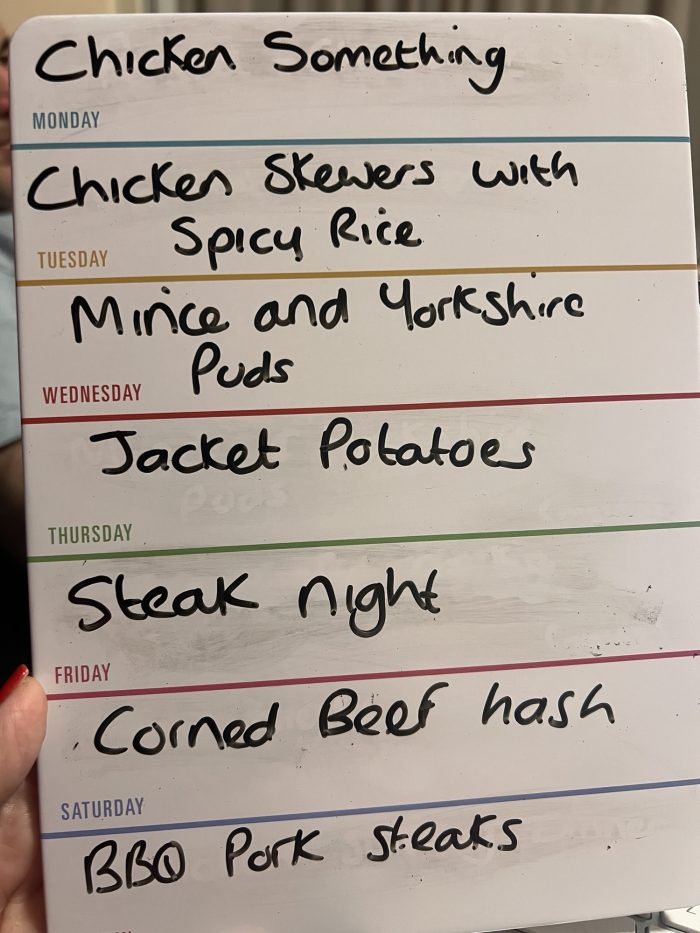
Using what you already have
Meal planning doesn’t have to start with a blank page. In fact, the best meal plans start with what’s already in your cupboards, fridge and freezer.
If you’ve been batch cooking, this part’s easy — just take a look at what’s already in the freezer and build your plan around that.

If not, check what’s left from last week’s shop before you buy anything new. Half a bag of potatoes? Plan a shepherd’s pie. A few wraps or pitta breads? They can turn into pizzas or quick lunches.
It’s amazing how much food we already have without realising it. Making a habit of “shopping your cupboards” before heading to the supermarket can easily save £10–£20 a week.
Making meal planning work for your family
There’s no right or wrong way to meal plan — it just needs to fit your life. If your week’s unpredictable, plan a few flexible meals that can be moved around. If you’ve got fussy eaters, involve them in choosing a couple of dinners each week so they’re more likely to eat what’s served and always try and share your meal plan somewhere visible that everyone can see.
Meal planning isn’t about perfection — it’s about making life simpler. Even planning a few days ahead is better than none at all, and you’ll feel more in control straight away.
Meal planning doesn’t have to take long or feel restrictive. Once you’ve done it for a few weeks, you’ll start to see how much smoother your week runs (and how much cheaper it gets!). A little bit of planning really does go a long way — and it’s one of the simplest ways to make everyday life easier, calmer, and kinder on your budget. 😊
I’d love you follow me on Twitter and it would be amazing to see you over on my Facebook page and on Instagram. If you’re interested, you can find out more about me here and while I’ve got your attention, if you’re wondering why some of my posts lately are a little bit less frugal then have a read of this post. 😉

Discover more from The Diary of a Frugal Family
Subscribe to get the latest posts sent to your email.